

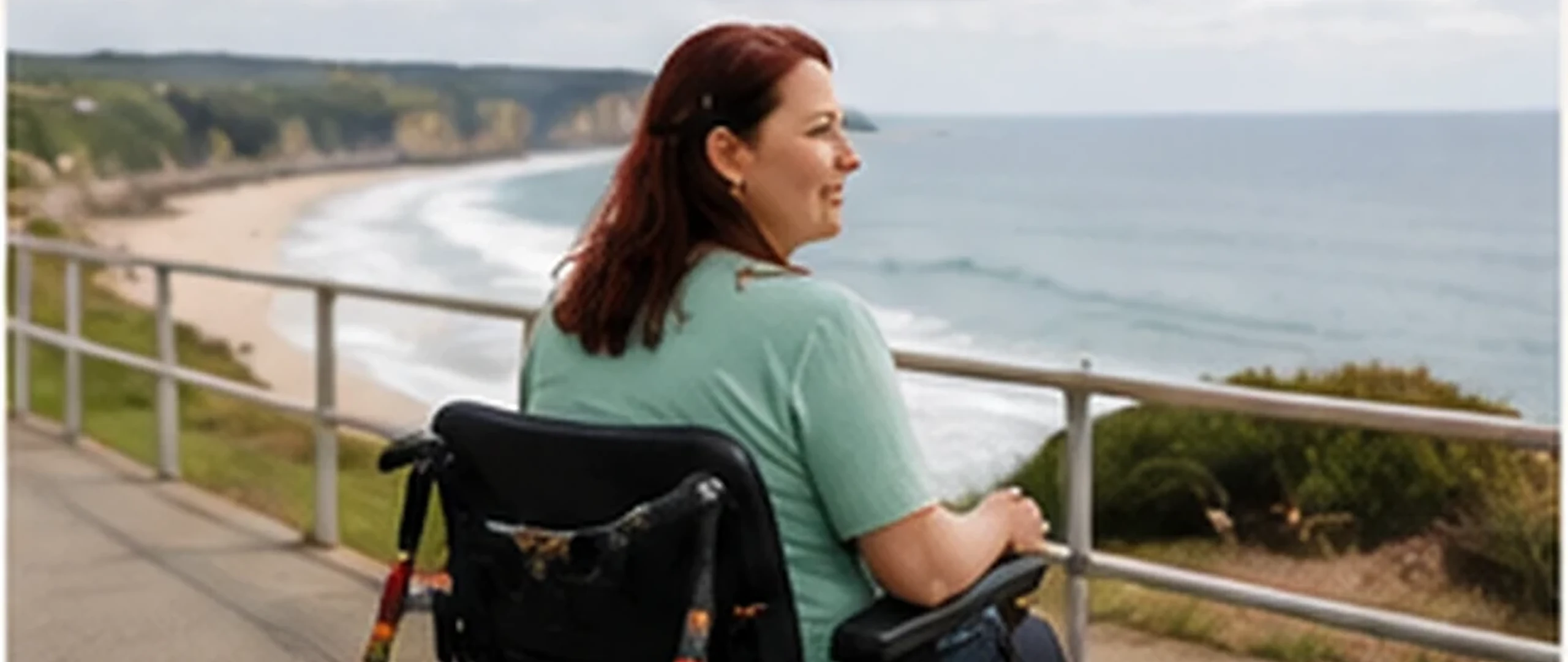



Short-term support planned around routines, preferences and a clear return home.
Short-term accommodation can provide a participant with planned time apart from their usual care arrangements where this support is included in their NDIS funding and the proposed arrangement is suitable. Planning should keep the participantu2019s routines, communication, disability-related support needs, preferences and safety requirements clear while recognising the role of primary informal supports.
A short stay should be planned around the participantu2014not treated like a generic break away.
Short-term accommodation can provide time apart from usual care arrangements and may help primary informal supports sustain their caring role. Suitability, funding, support requirements, routines, accessibility, timing and current service capacity all need to be considered before any stay is agreed.
Support shaped around real routines and priorities
These examples explain practical areas that may be discussed. The exact arrangement remains individual.
Plan the stay before arrival
Routines, communication, support needs, preferences and practical details are discussed before the stay so fewer things are left to guesswork.
Daily support during the stay
Support can be shaped around the participantu2019s ordinary personal and daily living routines within the agreed short-term arrangement.
Time for community and leisure
Where appropriate, the stay can include chosen community, recreational or everyday activities rather than being limited to the accommodation setting.
Keep communication clear
Participants, families and other agreed people should know the key arrangements, contact pathway and what happens if something changes.
Plan the return home
Arrival and return-home arrangements are considered as part of the stay so transitions are easier to understand and prepare for.
A short stay can support the participant while recognising the role of primary informal supports.
Short-term accommodation is an NDIS support for eligible participants that can provide time apart from usual care arrangements. Any proposed stay still needs to fit the participantu2019s funding, disability-related support needs, practical circumstances and the provideru2019s current capacity.
Participant routines stay visible
Communication, personal routines, accessibility, disability-related support needs and preferences should be understood before the stay.
Informal supports are recognised
Time apart can also give primary informal supports a short break from their usual caring role where this purpose and funding context apply.
Planning comes first
Dates, staffing, support requirements, safety information and practical expectations should be clear before any arrangement is confirmed.
A practical pathway for Short Term Accommodation
The details differ by participant, but the next step should stay clear.
Check fit
Discuss support needs, timing, availability and practical suitability.
Plan the stay
Clarify routines, communication, accessibility and important information.
Confirm details
Make arrangements and responsibilities clear before commencement.
Review afterwards
Use feedback to improve any future arrangement.
The stay, support and environment all need to work together.
Before short-term accommodation is agreed, the practical conversation should cover the participantu2019s disability-related support needs, routines, communication, accessibility, risks, preferred activities, timing and what continuity information the team needs.
- Support needs and staffing fit
- Communication, routines and preferences
- Accessibility and relevant safety information
- Funding and service scope
- Arrival, stay and return planning
The participantu2019s voice, privacy, environment and practical goals remain visible.
Familiarity
Important routines and preferences are discussed before the stay.
Preparation
Support, timing, communication and practical requirements are clarified early.
Safety
The arrangement must be suitable for the participantu2019s support needs and current service capacity.

Connect the support with the places and routines where it matters.
Confidence and capability often grow through ordinary routines, repeated practice and meaningful participation.
- 01Practical, achievable steps
- 02Participant-led pace
- 03Real environments and routines
- 04Review when circumstances change
Explore support pathways that may connect with this one
These links are for navigation only u2014 the right mix depends on the participantu2019s goals, plan and circumstances.
Supported Independent Living (SIL)
Supported Independent Living is about day-to-day assistance in the participantu2019s home environment. Live Life Support focuses on routines, communication, household responsibilities, personal preferences and agreed supports so the home remains the participantu2019s living spaceu2014not simply a place where services are delivered.
ExploreAssistance with Personal Activities
Assistance with personal activities can support everyday routines, self-care and other agreed tasks while keeping the participant involved in decisions about how support is provided. We discuss preferences, privacy, communication, timing and the level of assistance that feels appropriate before the arrangement begins.
ExploreGet Support
You do not need every NDIS support detail worked out before you contact us. Start with what you know: the support you are exploring, your goals, suburb or usual support location, preferred timing and anything important about communication or accessibility. The dedicated Support Enquiry form helps our team understand practical fit and a useful next step.
ExploreFrequently Asked Questions
Clear answers to common questions, with room to contact us if your situation is different.
What should be clarified before a short stay?
Support needs, routines, medication or health information where relevant, communication, accessibility, timing and agreed service arrangements should be clarified before commencement.
Can routines and preferences be discussed?
Yes. Familiar routines, communication preferences and important daily details should be discussed as part of planning.
How is suitability checked?
The team needs to consider the requested support, practical requirements, availability and whether the arrangement can be delivered safely and appropriately.
What should I bring or prepare?
The specific preparation will depend on the agreed stay. The team should clarify practical requirements before commencement.

