

ADULT SUPPORT

Adult support that respects autonomy, choice and the life you already lead.

Adults with disability should be supported as adults, with their own routines, relationships, responsibilities and preferences. Live Life Support focuses on practical assistance that can strengthen everyday participation and independence while respecting the participantu2019s chosen level of support and decision-making authority.

Registered NDIS ProviderBrisbane and surrounding communities
01 / 02
PERSON-FIRST SUPPORT

Adult support should strengthen autonomy, not replace it.

Support may help with home routines, community participation, appointments, skills or other agreed areas, while the participant remains the person directing their own life. This page focuses on practical assistance that respects adult identity, privacy, preferences and decision-making.

Daily living routinesSupport can follow the participantu2019s preferred morning, evening and household routines while keeping decisions in their hands.
Community participationActivities, appointments and community time are planned around the places, interests and relationships the participant chooses.
Building confidence and independenceSupport can create space to practise tasks, make decisions and build capability without taking over what the participantu2026
WHAT MAY MATTER

Key considerations for a more useful support conversation

These points help make the personu2019s context visible without reducing them to a diagnosis or category.

01

Daily living routines

Support can follow the participantu2019s preferred morning, evening and household routines while keeping decisions in their hands.

02

Community participation

Activities, appointments and community time are planned around the places, interests and relationships the participant chooses.

03

Building confidence and independence

Support can create space to practise tasks, make decisions and build capability without taking over what the participant can do.

04

Communication and self-advocacy

Workers can follow communication preferences, allow processing time and support the participant to express choices directly.

05

Practical support around chosen goals

Everyday assistance is connected to goals that matter to the participant, from home routines to greater community involvement.

PERSON-CENTRED PRACTICE
Context matters because everyday life is never one-size-fits-all.

Communication, relationships, routines, culture and environment can all affect what support feels useful.

01

Person first

Support is shaped around the individual, not a label.

02

Context matters

Communication, routines, culture and relationships can all matter.

03

Life stays central

Support should connect with everyday goals, participation and belonging.

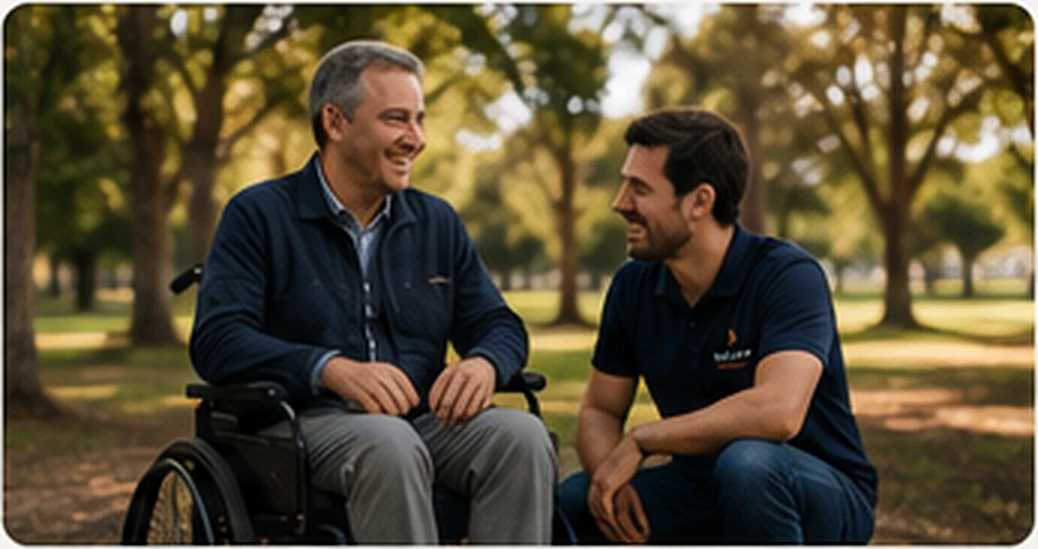
A participant-centred conversation that keeps the person’s preferences visible.
Community participation and social connection in an everyday setting.
SUPPORT IN CONTEXT

The whole person stays visible.

Support planning can connect practical goals with routines, communication, community and the people the participant chooses to involve.

  • 01Participant preferences
  • 02Communication and accessibility
  • 03Routines, relationships and community
  • 04Review as circumstances change
USEFUL NEXT PAGES

Continue into supports, participant information or first contact

Choose the page that best matches what you want to understand next.

Our Supports

You do not need to know every NDIS support label before starting. Explore practical support at home, in the community, with transport, skill development, living arrangements, support coordination, community nursing and therapeutic supports, then contact Live Life Support to discuss your goals, funding context, preferred schedule and current service availability.

Explore

Getting Started

Getting started should not require you to understand every service detail before making contact. This page explains the practical sequence from first questions and checking service fit through to discussing support details, communication preferences and the information needed before an arrangement begins.

Explore

Get Support

You do not need every NDIS support detail worked out before you contact us. Start with what you know: the support you are exploring, your goals, suburb or usual support location, preferred timing and anything important about communication or accessibility. The dedicated Support Enquiry form helps our team understand practical fit and a useful next step.

Explore