
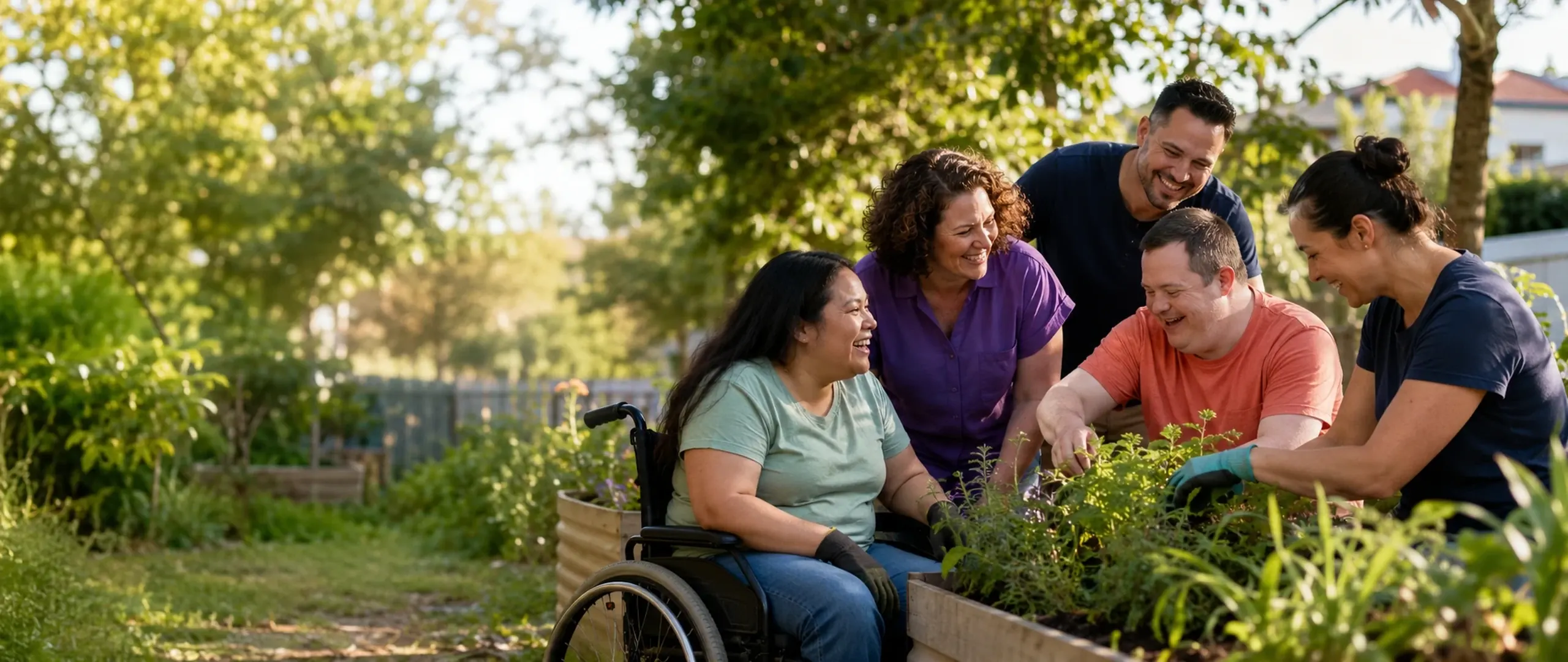


Explore NDIS supports that connect with everyday life, independence and community.
Live Life Support provides tailored, flexible and person-centred disability supports for people with different goals, routines and support needs across Brisbane and surrounding communities. Support can include assistance with daily life and personal activities, transport, social and community participation, household routines, life skills, supported living, employment-related goals and other agreed supports. We start with what matters in everyday life, then discuss practical fit, funding context, timing, communication preferences and current service availability.
One support category rarely tells the whole story.
Everyday life can involve personal routines, getting out into the community, appointments, household responsibilities, building skills, maintaining important relationships and planning for greater independence. Explore the support pathways below, then talk with us about how the right mix may fit around the participantu2019s goals, existing informal supports, mainstream services and NDIS funding context.
Find the information that fits your next step
Each pathway is presented separately so you can move directly to the information that matters.
Assistance with Personal Activities
Personal care, self-care and everyday routines delivered with dignity, privacy and participant choice.
ExploreCommunity Participation
Support to take part in appointments, activities, social routines and community life at the participantu2019s pace.
ExploreHousehold Tasks
Practical help with cleaning, laundry, meal preparation and household routines within the agreed support scope.
ExploreLife Skills Development
Real-life practice with planning, cooking, communication, decision-making and community confidence.
ExploreSupported Independent Living
Ongoing support at home that keeps routines, relationships, skills and participant direction visible.
ExploreTransport Assistance
Travel support for agreed appointments, activities and community participation, with timing and destination planning made clear.
ExploreTwo additional options that deserve their own space
Group & Centre Activities and Short Term Accommodation involve different goals, environments and planning considerations, so they are presented separately to make their purpose and practical requirements easier to understand.
Group & Centre Activities
Shared activities can support connection, creativity and skill-building while keeping individual choice visible.
ExploreShort Term Accommodation
A planned short stay can create a change of environment and a practical break for participants and families where this support fits the participantu2019s plan and circumstances.
ExploreDifferent goals can connect with different kinds of support.
Live Life Support can discuss a broad range of disability supports around everyday routines, community life, practical independence and future goals. The right combination depends on the participant, their NDIS funding context, practical fit and current service availability.

Daily life & self-care
Personal activities, familiar routines, household tasks and practical support at home can be shaped around dignity, privacy and the participantu2019s preferred level of involvement.
Participation & access
Transport, appointments, chosen activities and community participation can be planned around accessibility, communication and the places that matter in everyday life.
Skills, independence & future goals
Life skills, supported living, transitions and employment-related goals can focus on confidence, capability and participation rather than a one-size-fits-all program.
More ways to bring the right expertise around your goals
These support areas can be discussed when they fit the participantu2019s goals and current service capability. Availability depends on participant needs, location, workforce capacity, funding arrangements and current service availability.
Therapeutic Supports
Therapeutic support focused on functional goals, independence, capacity building and meaningful participation in everyday life. The professional discipline, goals and service arrangement are discussed before support begins.
Ask About This SupportSupport Coordination
Practical support to understand your NDIS plan, connect with suitable providers, coordinate services and build confidence in managing supports and decisions over time.
Ask About This SupportCommunity Nursing Care
Qualified nursing support delivered around individual health needs, daily routines and participant goals, with clear communication and coordination with relevant health professionals where appropriate.
Ask About This SupportSupport for more complex routines, living arrangements and life changes
The practical details matter. We discuss the participantu2019s routines, environment, support requirements, communication, safeguards and preferred outcomes before confirming what can be delivered.
High-Intensity Personal Activities
Higher-level personal support for participants with more complex daily needs, delivered where suitably trained staff, individual planning and required safeguards are in place.
Ask About This SupportDaily Tasks & Shared Living
Practical assistance with everyday routines, household responsibilities and shared-living arrangements while keeping participant choice, skills and independence visible.
Ask About This SupportAccommodation & Tenancy Support
Support to explore, establish and maintain suitable living arrangements and work through practical accommodation or tenancy-related needs.
Ask About This SupportBuild confidence around community, transitions and employment
These supports are shaped around the participantu2019s goals, strengths, preferred pace and real-life environments rather than a one-size-fits-all program.
Innovative Community Participation
Flexible, goal-focused opportunities to build confidence, skills, social connection and participation in meaningful community activities.
Ask About This SupportLife Stage & Transition Support
Practical support through important changes such as moving home, leaving school, changing supports, entering new routines or building greater independence.
Ask About This SupportEmployment Support
Support to strengthen work readiness, routines, confidence and practical skills related to accessing, participating in or maintaining employment.
Ask About This SupportNDIS support can sit alongside family, community and mainstream services.
A participantu2019s life may involve family or other informal supports, community organisations and mainstream systems such as health, education or employment services. Where it is within the agreed support role, Live Life Support can help make practical access and communication easier without presenting those external services as NDIS supports delivered by us.
- Keep the participantu2019s consent and direction central when involving family or other trusted people
- Support practical access to appointments, community services or other agreed destinations where within scope
- Recognise that mainstream and community services remain separate from NDIS-funded disability supports
- Review the support arrangement when goals, routines, informal supports or circumstances change
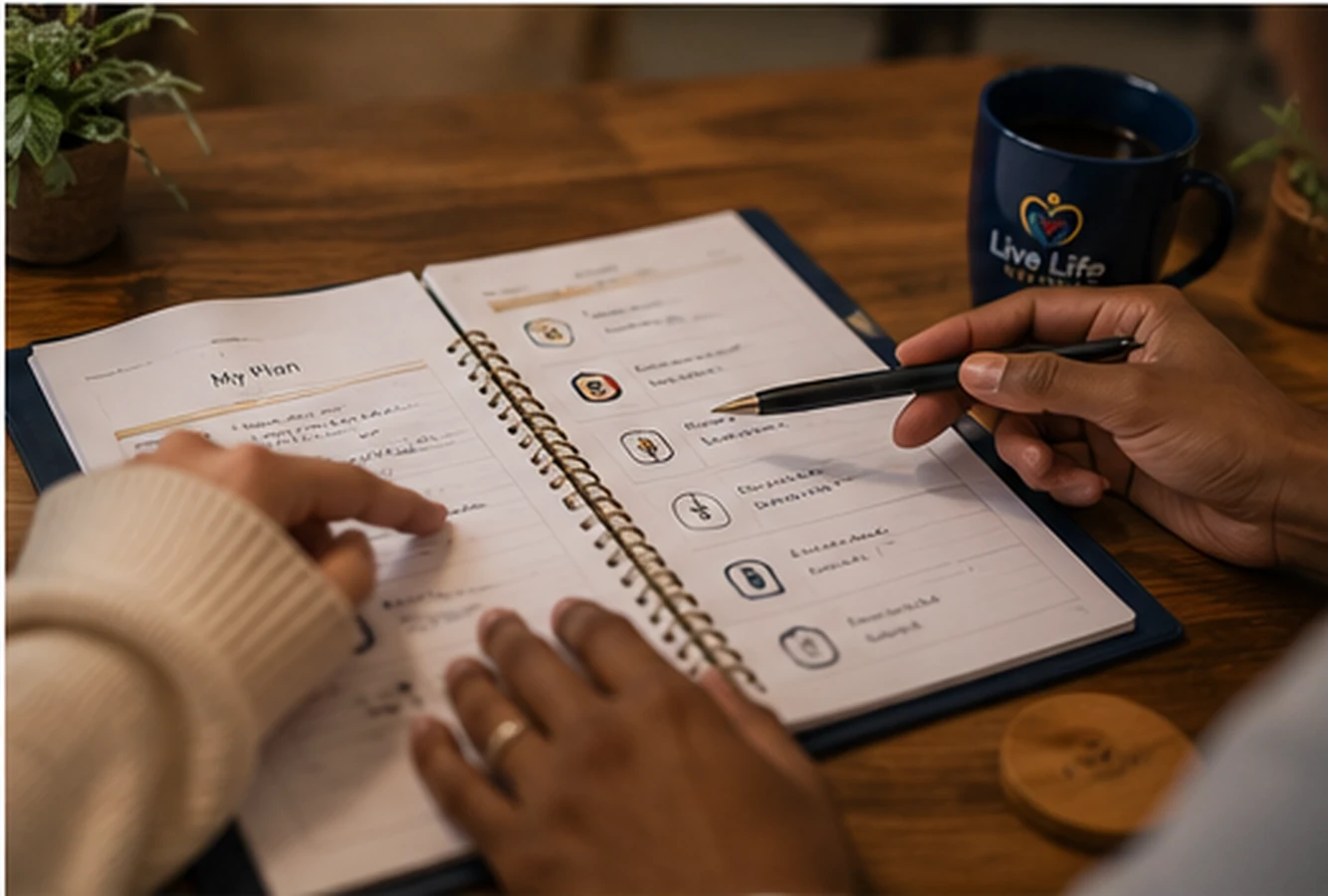
The website should help you understand options without forcing every person through the same pathway.
Respect
Dignity, privacy, communication and choice remain visible.
Capability
Support looks for practical ways to strengthen confidence and independence.
Connection
People, routines and community remain part of the whole picture.
From question to a workable next step
The process should stay understandable from first contact onward.
Choose a support area
Start with the daily-life, community, home or transport support that seems most relevant.
Read the practical detail
Understand what the support can include and the questions that affect fit.
Compare related options
Use linked pathways where more than one support may connect with the goal.
Ask about availability
Contact the team when you are ready to discuss location, timing and current capacity.

Information is most useful when it connects with everyday decisions.
Support choices make more sense when the person, routines, communication, location and goals are considered together.
- 01Person and preferences
- 02Everyday routines and places
- 03Communication and consent
- 04A clear next step
Frequently Asked Questions
Clear answers to common questions, with room to contact us if your situation is different.
How do I know which support may fit?
Start with the outcome, routine or activity you want support with. The team can discuss the practical request and explain which service information is most relevant.
Can more than one type of support be discussed?
Yes. Different support needs can be discussed together, although what can be delivered depends on the participantu2019s plan, agreed scope, location, schedule and current service capacity.
Can support change over time?
Yes. Support arrangements can be reviewed when goals, routines, plan circumstances or practical needs change.
Do you check availability before services begin?
Yes. Location, timing, requested support and current service capacity need to be checked before commencement.
Can I ask questions before agreeing to anything?
Yes. The purpose of early conversations is to clarify the request, explain the proposed arrangement and give you room to ask questions before deciding.